Source Cable Snatch Block for Lifting, Mining, and Construction
Compare 30 verified cable snatch block options from Chinese manufacturers. Buyers can evaluate specifications like rated load, material, and certifications to find suitable solutions for lifting platforms, mines, and cargo hoisting operations; compare the available evidence and request quotations based on your requirements.
Key considerations
Products List




Comprehensive Sourcing Guide
Cable Snatch Block Sourcing Guide
Procuring cable snatch blocks requires a disciplined approach to technical verification and supplier qualification, ensuring that lifting equipment meets rigorous safety and performance standards. These components are critical for redirecting wire rope tension in complex rigging scenarios, and their failure can lead to catastrophic operational hazards. Buyers must prioritize equipment that aligns with specific load requirements and environmental conditions, leveraging observed market data to inform decision-making. The global supply chain for these industrial hardware items is robust, with manufacturers primarily located in China Mainland, offering a wide spectrum of options from basic manual units to specialized high-capacity systems. Understanding the nuances of material composition, bearing types, and surface treatments is essential for selecting a product that delivers longevity and reliability in demanding industrial environments.
This guide synthesizes observed listing signals and technical attributes to provide actionable procurement advice for engineers and sourcing managers. By focusing on verified specifications such as rated load ranges, sheave features, and certification statuses, buyers can mitigate risk and ensure compliance with international safety norms. The analysis draws from a substantial dataset of thirty distinct product listings, revealing a price range from $0.9 to $1699.9 USD and minimum order quantities varying between one and five hundred units. These metrics highlight the diversity of the market, catering to both small-scale maintenance needs and large-scale industrial projects. The following sections detail the critical factors that influence selection, from technical specifications to commercial terms, providing a comprehensive framework for evaluating potential suppliers and products.
Product Scope and Observed Listing Signals
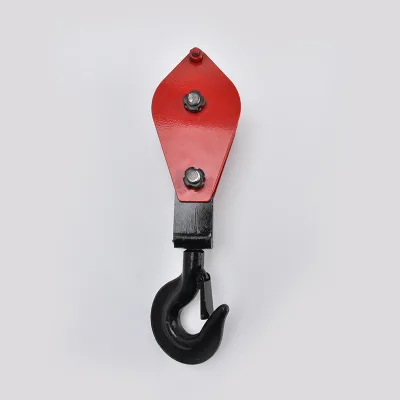
The market for cable snatch blocks encompasses a diverse array of lifting accessories, including enclosed wire rope pulleys, hook and closed lifting pulleys, and various chain hoist configurations. Observed product types indicate a strong focus on heavy-duty applications, with specifications ranging from 32t/50t/80t/100t for larger pulleys to 0.5t-20t for more versatile lifting solutions. The sling types available include both chain and wire rope variants, allowing buyers to match the block to their existing rigging infrastructure. Additionally, features such as Mc Nylon sheaves and stainless steel bearings suggest a market segment prioritizing durability and reduced friction in high-cycle operations. These variations enable precise customization for specific industrial needs, whether for mines, construction sites, or cargo hoisting in factories.
Listing signals reveal significant variation in physical dimensions and model numbers, reflecting the specialized nature of these components. Models such as SL-HQD6-80, HQG(L)2-5, and SHDN916 demonstrate the breadth of available designs, with standard dimensions like 776230430 and 916800110MM indicating robust construction for high-load scenarios. The presence of customization options and multiple material choices, including alloy steel, aluminum, and middle steel sheaves, underscores the flexibility of modern manufacturing. Buyers should note that while some products are marked as new and feature anodized or oxygenated surface treatments, others may have different finishes. This diversity requires careful cross-referencing of model numbers and specifications to ensure the selected block meets the exact mechanical and environmental requirements of the intended application.
Technical Specifications to Verify
When evaluating cable snatch blocks, verifying the rated load capacity is paramount, with observed ranges spanning from 50150kN to 50180kN for certain models. Buyers must ensure that the selected unit’s capacity exceeds the maximum expected load, incorporating a appropriate safety factor to account for dynamic forces during lifting operations. The sheave features, noted as ranging from 1-5 to 1-9, indicate variations in groove design and rope compatibility, which directly impact performance and wear rates. Additionally, the lift speed of 2~8m/min and maximum lifting height of over 20m for associated hoist systems provide context for the operational envelope. These parameters must be aligned with the specific requirements of the lifting platform or crane system to ensure seamless integration and optimal performance.
Material composition and bearing type are critical technical factors that influence the longevity and reliability of the snatch block. Alloy steel and steel sheaves are common, offering high strength and resistance to deformation under heavy loads, while aluminum options may be preferred for weight-sensitive applications. The use of stainless steel bearings suggests a focus on corrosion resistance and smooth operation, particularly in harsh environments. Surface treatments such as anodizing and oxygenation provide additional protection against environmental degradation, extending the service life of the component. Buyers should request detailed material certificates and bearing specifications to verify that the construction meets the demands of the intended application, whether it involves high temperatures, corrosive chemicals, or continuous heavy-duty use.
Compliance and Safety Documentation
Certification is a non-negotiable aspect of sourcing cable snatch blocks, with CE marking being a prevalent requirement for products destined for European markets. The observed listings frequently cite CE certification, often in conjunction with ISO9001, indicating adherence to quality management systems and safety directives. Some suppliers also mention ISO and RoHS certifications, which are crucial for ensuring environmental compliance and the absence of hazardous substances. Buyers must verify that the provided certificates are valid and issued by recognized accreditation bodies, as counterfeit or outdated documentation can pose significant legal and safety risks. The condition of the product being new is also a key factor, ensuring that the equipment has not been previously subjected to wear or damage that could compromise its integrity.
Safety documentation should extend beyond basic certifications to include detailed technical manuals, load charts, and maintenance guidelines. These documents provide essential information on proper installation, inspection intervals, and operational limits, which are critical for preventing accidents and ensuring regulatory compliance. Buyers should also inquire about any additional testing or quality control measures implemented by the supplier, such as proof load testing or non-destructive examination of critical components. The presence of specific product standards, such as 776230430 and 211715, suggests that manufacturers adhere to defined dimensional and performance criteria. However, buyers must confirm that these standards are relevant to their specific application and jurisdiction, as international standards may vary in their requirements and enforcement mechanisms.
Cost Drivers and Commercial Terms
The cost of cable snatch blocks is influenced by a variety of factors, including material quality, manufacturing complexity, and certification requirements. The observed price range of $0.9 to $1699.9 USD reflects the diversity of products available, from simple pulleys to complex, high-capacity lifting systems. Minimum order quantities (MOQs) ranging from one to five hundred units allow for flexibility in purchasing, enabling buyers to acquire single units for testing or large batches for project deployment. Payment terms such as T/T and L/C are common, providing secure transaction mechanisms for both buyers and suppliers. Understanding these commercial terms is essential for budgeting and managing cash flow, particularly for large-scale procurement projects.
Delivery times and packaging methods also impact the total cost of ownership, with lead times typically ranging from 20 to 40 days. Buyers should factor in these delays when planning project schedules, ensuring that equipment arrives in time for installation and commissioning. Packaging options, including wooden cases and carton or wooden boxes, are designed to protect the equipment during transit, minimizing the risk of damage. For high-value or sensitive components, additional packaging measures may be necessary to ensure safe delivery. Buyers should negotiate clear terms regarding shipping responsibilities, insurance, and liability for damage, as these factors can significantly affect the overall cost and risk profile of the procurement.
Supplier Qualification and Quality Control
Supplier qualification is a critical step in the sourcing process, requiring a thorough assessment of the manufacturer’s capabilities and track record. Buyers should verify the supplier’s production capacity, quality control processes, and after-sales support services to ensure they can meet the project’s requirements. The observation that products originate from China Mainland indicates a mature manufacturing ecosystem with access to advanced production technologies and skilled labor. However, buyers must conduct due diligence to confirm that the supplier adheres to international quality standards and maintains consistent product quality across batches. Requesting references from previous clients and conducting site audits can provide valuable insights into the supplier’s operational practices and reliability.
Quality control measures should be explicitly defined in the purchase agreement, including inspection protocols, testing requirements, and acceptance criteria. Buyers should insist on pre-shipment inspections to verify that the delivered products meet the specified technical and safety standards. Documentation such as material test reports, bearing specifications, and surface treatment certificates should be provided for each batch. Additionally, buyers should establish a clear process for handling non-conforming products, including return policies and replacement procedures. By implementing rigorous quality control measures, buyers can minimize the risk of receiving defective equipment and ensure that the cable snatch blocks perform reliably in their intended applications.
Long-Term Procurement Checks
Long-term procurement success depends on establishing a robust supplier relationship and implementing continuous improvement strategies. Buyers should regularly review supplier performance metrics, including delivery times, product quality, and responsiveness to issues, to identify areas for improvement. Maintaining open communication channels and providing constructive feedback can help strengthen the partnership and ensure that the supplier remains aligned with the buyer’s evolving needs. Additionally, buyers should stay informed about industry trends and technological advancements in cable snatch block design, exploring opportunities to upgrade equipment and enhance operational efficiency. By fostering a collaborative relationship with suppliers, buyers can leverage their expertise to optimize procurement outcomes and drive value.
Regular audits and performance reviews are essential for maintaining high standards of quality and compliance throughout the procurement lifecycle. Buyers should schedule periodic assessments of the supplier’s quality management system, production facilities, and safety practices to ensure ongoing adherence to agreed-upon standards. These audits can also identify potential risks and opportunities for improvement, allowing buyers to proactively address issues before they impact operations. Furthermore, buyers should monitor market conditions and pricing trends to ensure that they are receiving competitive rates and favorable terms. By implementing a structured approach to long-term procurement, buyers can build a resilient supply chain that supports their operational goals and drives sustainable growth.
FAQs
What certifications do cable snatch blocks typically have?
Most cable snatch blocks carry CE and ISO9001 certifications to ensure safety and quality standards. Some models also include RoHS compliance for environmental safety. These certifications verify that the products meet international manufacturing requirements for industrial lifting applications.
Which materials are used for cable snatch block sheaves?
Sheaves are commonly made from alloy steel, stainless steel, or aluminum depending on the load requirements. Some specialized units feature Mc Nylon sheaves for reduced friction. The material choice directly impacts durability and performance in heavy-duty mining or construction environments.
How is the rated load capacity determined for these blocks?
Rated load capacities range from 0.5 tons up to 20 tons or higher depending on the specific model. Some heavy-duty variants support loads between 50 and 180 kilonewtons. Buyers must select a block that exceeds their maximum expected lifting weight for safe operation.
Can I customize the specifications for my lifting needs?
Customization is available for many cable snatch block models to fit specific project requirements. Buyers can request adjustments to dimensions, load ratings, or surface treatments like anodizing. This flexibility ensures the equipment integrates seamlessly with existing crane or hoisting systems.
What is the typical delivery time for these products?
Standard delivery times usually range from 20 to 40 days after order confirmation. This lead time accounts for manufacturing, quality checks, and packaging in wooden cases or cartons. Expedited shipping options may be available depending on the supplier's current production schedule and location.
Which payment methods are accepted for bulk orders?
Common payment methods include T/T and L/C for secure international transactions. These options provide flexibility for both small and large volume purchases. Buyers should confirm specific payment terms with the supplier before finalizing the order to ensure smooth processing.